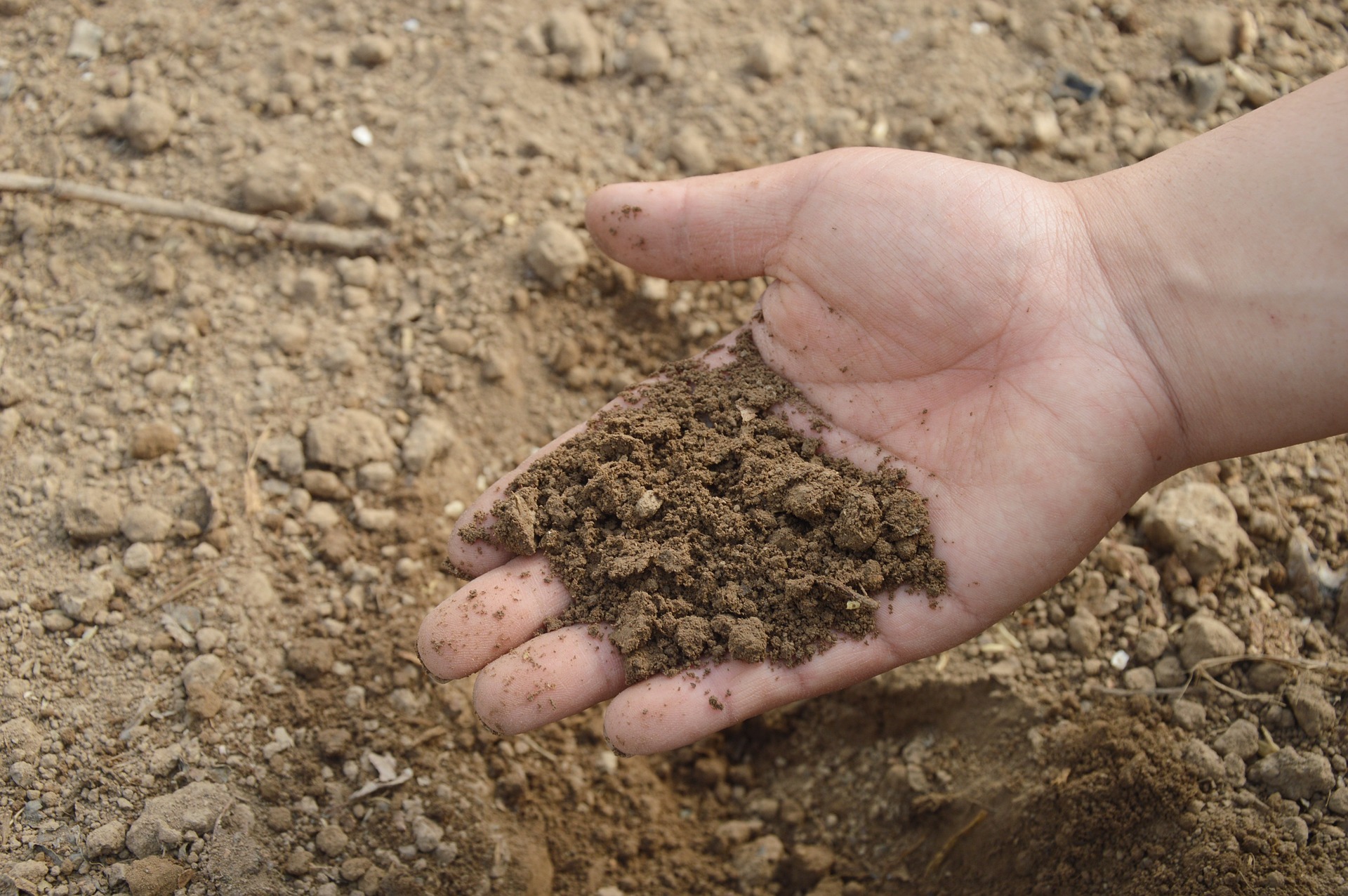
The Brooksville Plant Materials Center is working on research to build soil health for Florida farmers and ranchers. The practice of no-till farming and using cover crops is a national movement that reduces the use of fertilizer and pesticides. The USDA National Resources Conservation Service Florida features a News Release on soil health research at the center in Brooksville. Visit the News Release article to learn more: Study Helps Florida...
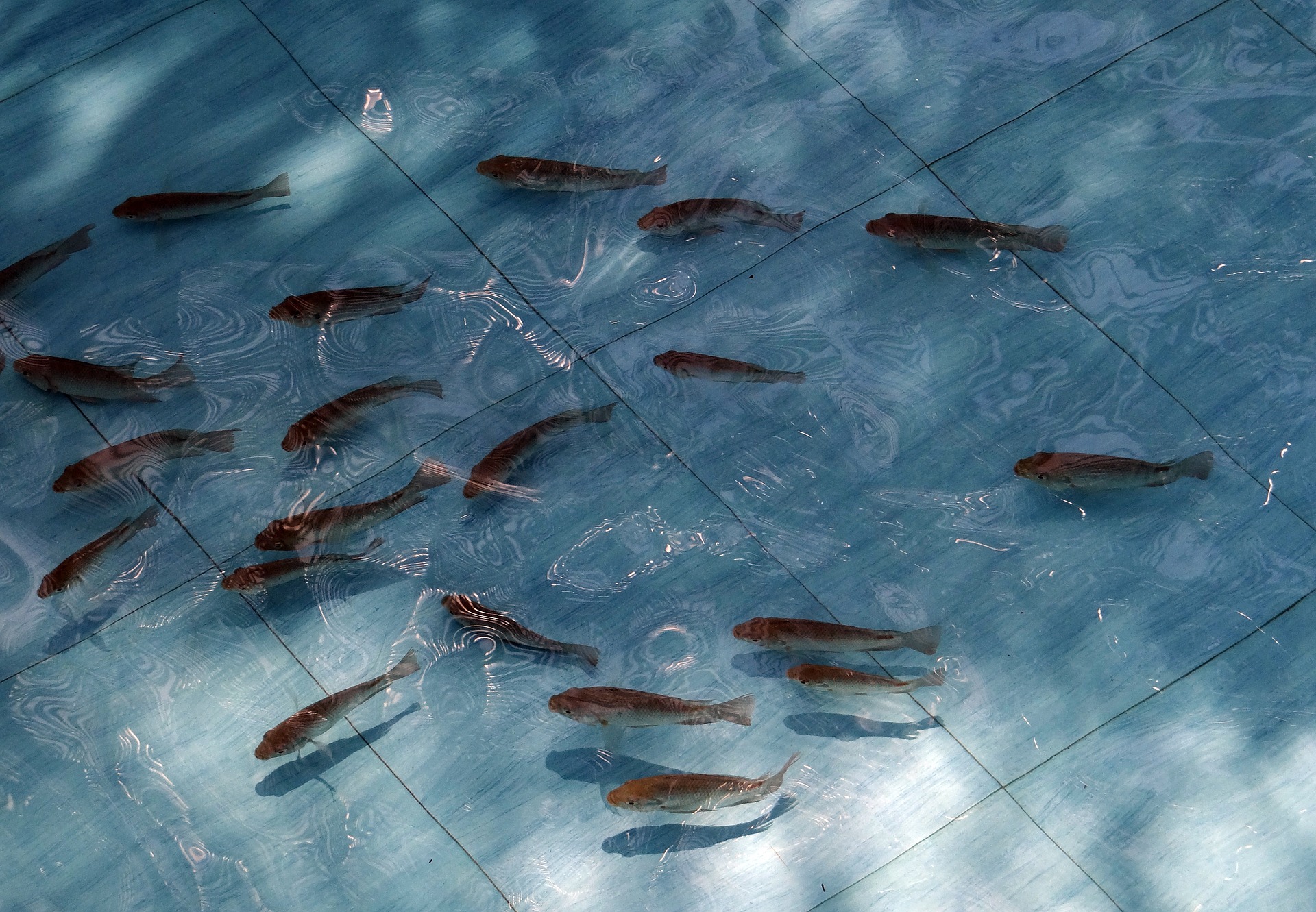
Florida is home to nearly 1,000 certified aquaculture farms who grow over 1,500 aquatic crops using a variety of production systems. To learn more about Florida Aquaculture read the Florida Farm & Family article written by Cathy Lockman, "Florida Aquaculture Teaches the Art of Raising Fish." Florida Aquaculture Teaches the Art of Raising Fish - Florida Farm & Family (floridafarmfamily.com)
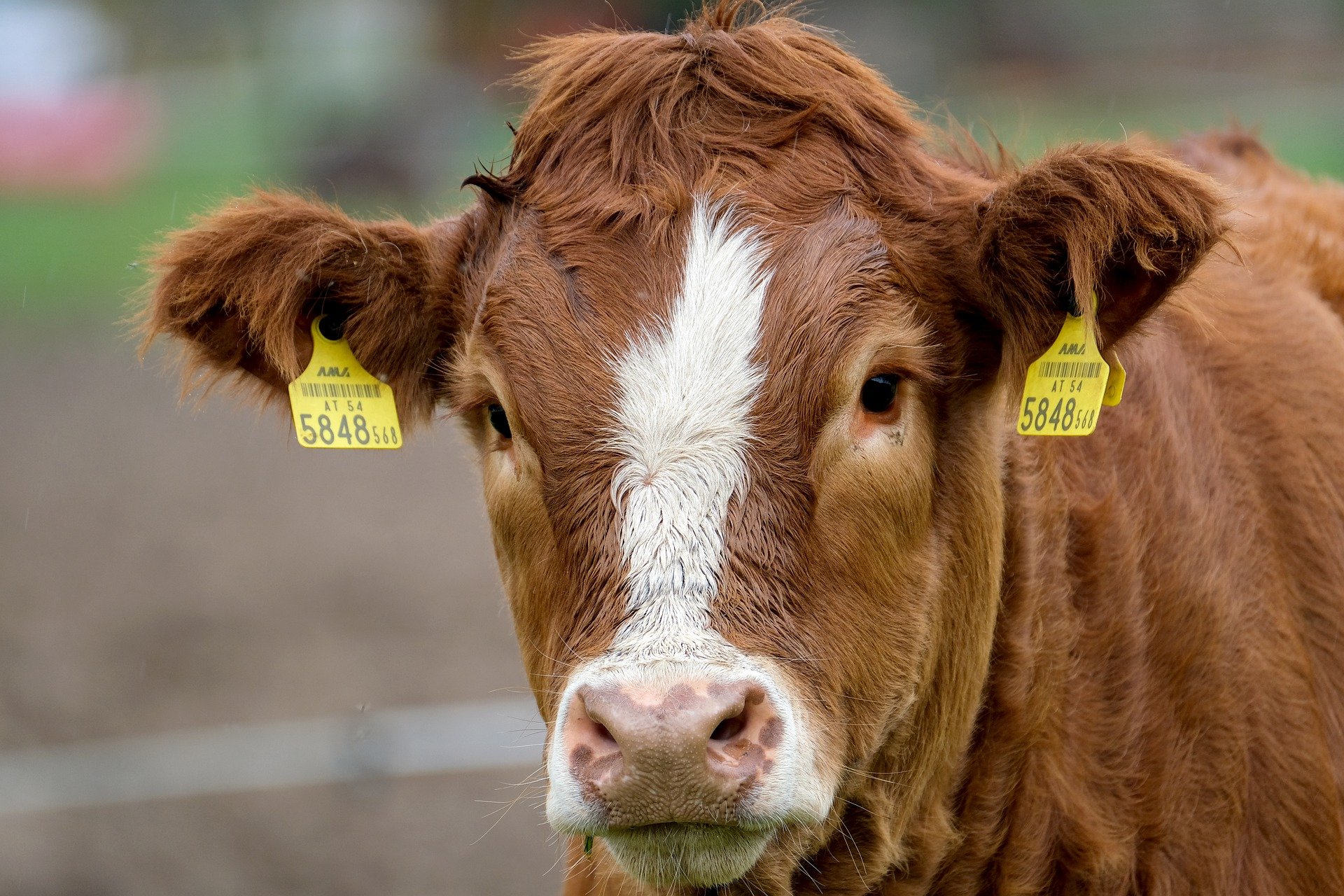
As the cost of fertilizer, animal feed, and fuel continue to rise many cow/calf producers are searching for ways to increase revenue to off-set the rising costs. Agriculture and Natural Resources UF IFAS extension agent Mark Mauldin in Washington County has developed a series that shares ways to increase revenue in cow/calf operations. Upcoming articles include Sire Selection - Using genetics to Increase Revenue and Maximizing Revenue Through...
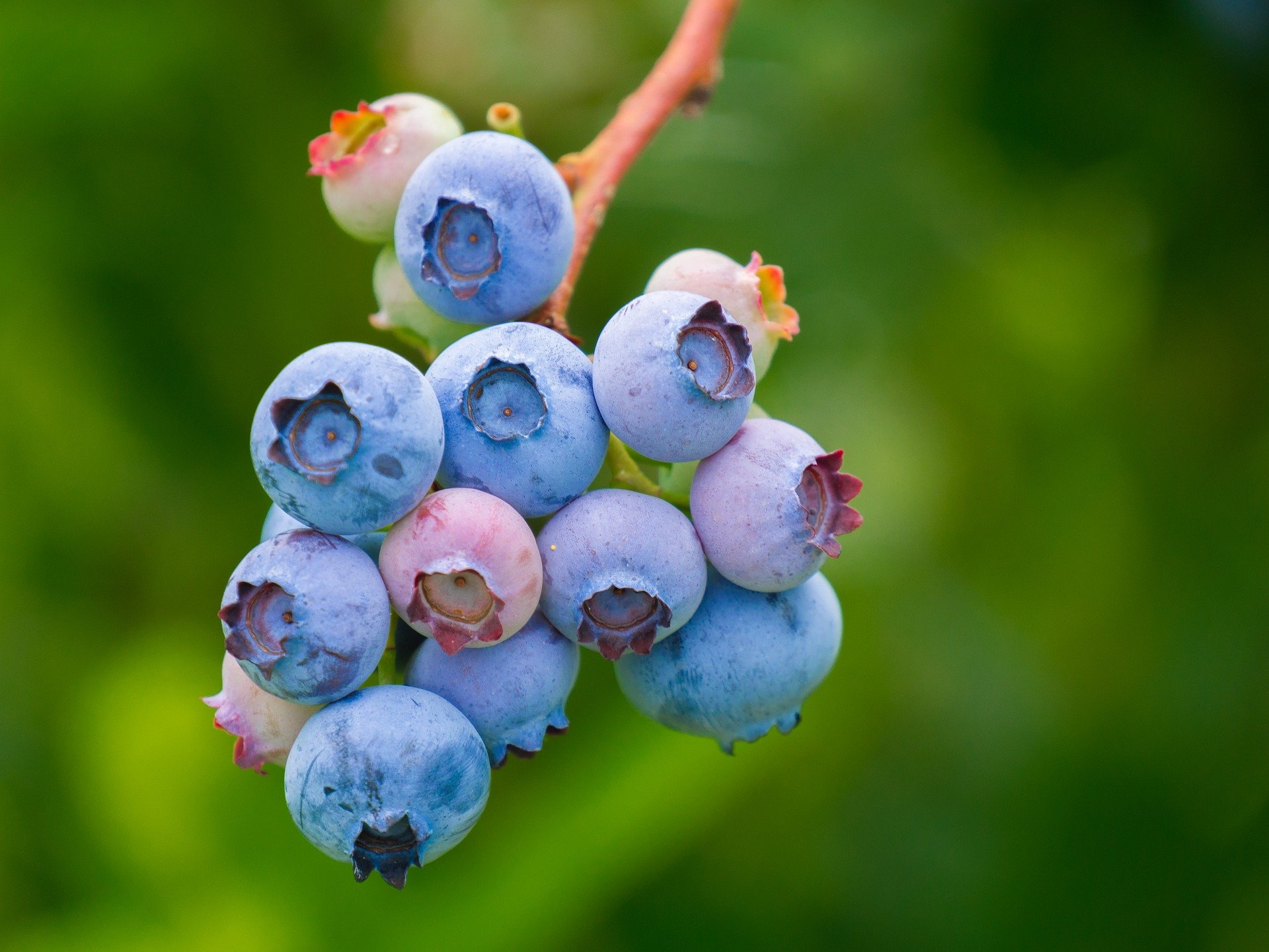
2021 has been a better year for Florida Blueberry Growers. Some growers credit the rebound to the use of agricultural technological innovations and mechanized harvesters. Florida growers share how the use of harvesting technology has allowed for more Florida blueberries to reach more U.S. markets this growing season in the article “2021 Harvest Up 4.9 Million Pounds From Last Year,” written by Paul Catala posted by Central Florida Ag News...
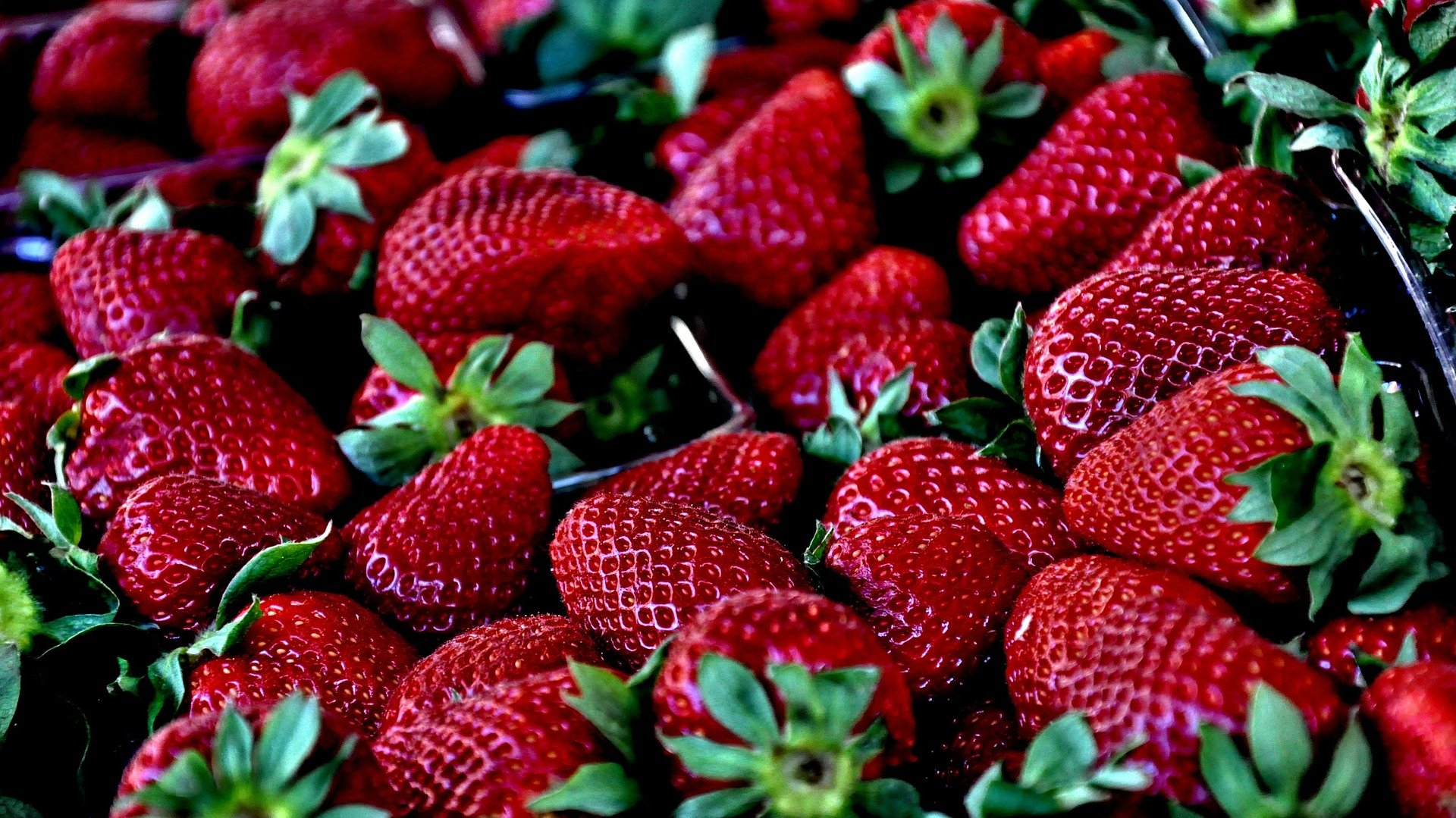
Florida commercial strawberry growers report an increase in fungal disease outbreaks. Neopestalotiopsis, also referred to as Pestalotpsis, is a fungal pathogen that has been present throughout the years, but reports indicate cases have increased in Florida strawberry production in recent years. The fungus causes poor establishment and stunting after transplanting, eventually causing the fruit to rot. To learn more about the fungus that is...
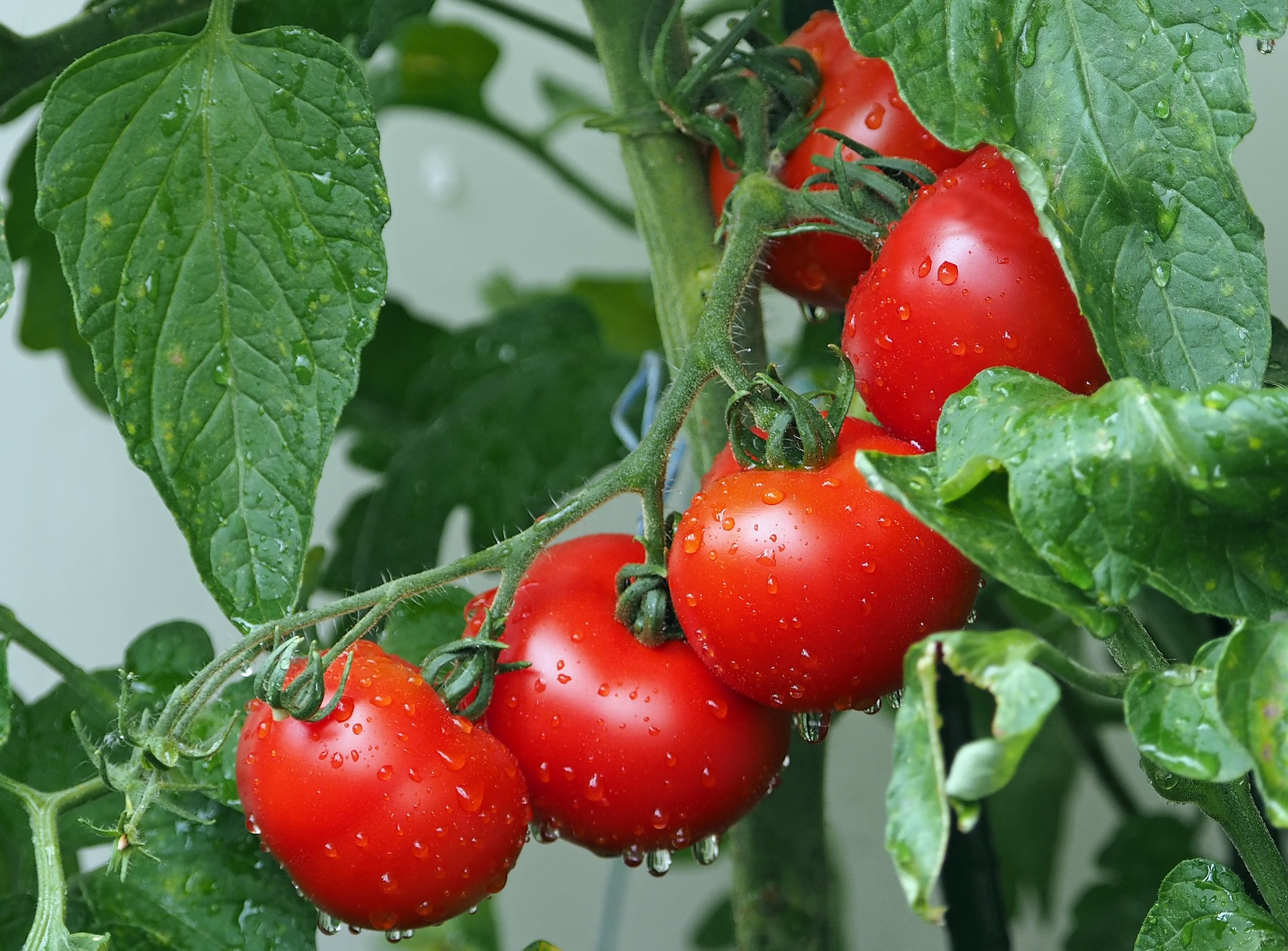
A year later, the tomato industry in Florida is still feeling the impact of the pandemic stay-at-home orders. The tomato industry depends on the food service industry, especially in the north and northeast region of the nation where restaurants and schools are not currently operating at 100% capacity. To learn more about Florida's tomato industry and read the article "Lingering Effect: COVID-19 Still Impacting Tomato Industry" visit the...

The emerging industry of growing microgreens influenced the University of Arkansas to create an online survey to determine food safety practices and growing techniques. A total of 176 small size farms (less than $10,000 annual revenue) participated in the survey. To learn more visit the Food Safety News article written by Jonan Pilet Survey shows larger microgreens growers exercise more food safety practices.
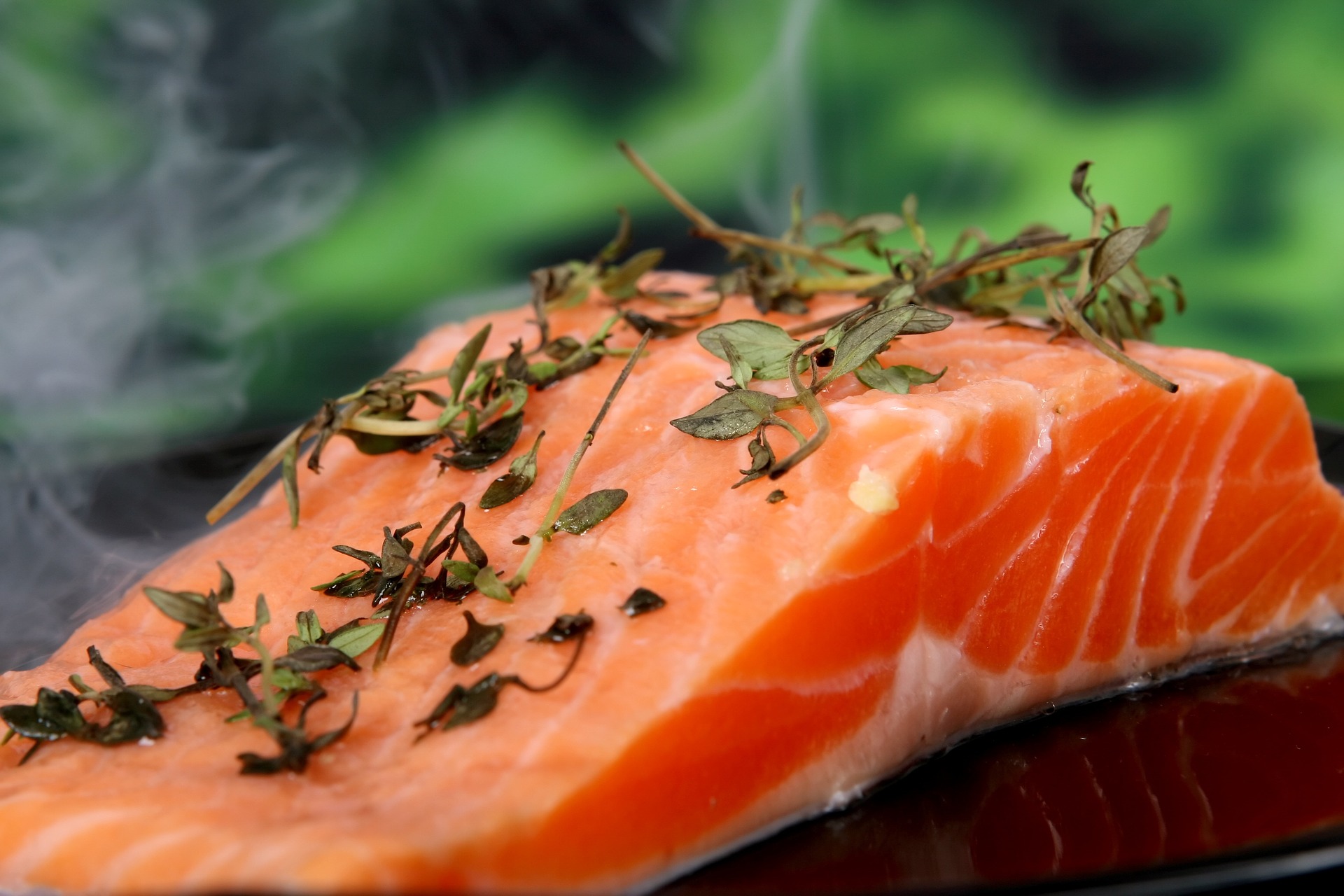
The Mote Aquaculture Research Park in Sarasota, FL is using new technology in fish farming that filters and reuses the water in the tanks. The Research Park is 20 miles away from the coast but has seawater running through the tanks constantly. The water goes through a filtration process and is reused. To learn more visit the CBS This Morning article by CBS News New sustainable advances help reimagine fish farming: "It's really the wave of...

The identification of the HEMERA and RCB genes will aid researchers in their goal to modify plant temperature response to ensure the future of our food supply as the climate changes. To learn more visit the University of California, Riverside News article written by Jules Bernstein Discovery is key to creating heat-tolerant crops.
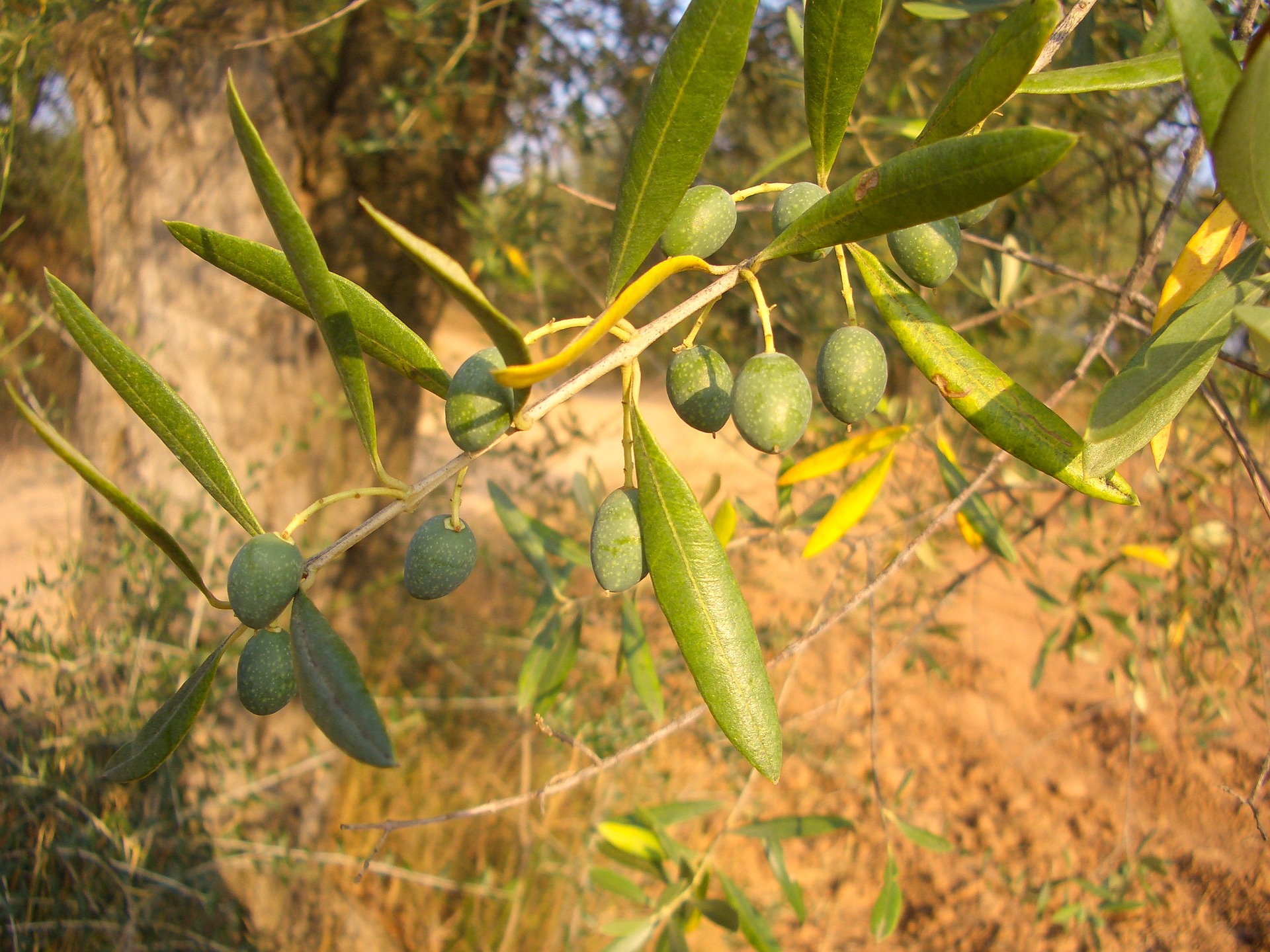
Growing conditions in Florida are favorable for olives. The past ten years continue to show a viable market for olive production. To learn more visit the Central Florida AgNews article written by Paul Catala, Florida Growers Court a New Alternative Crop.
