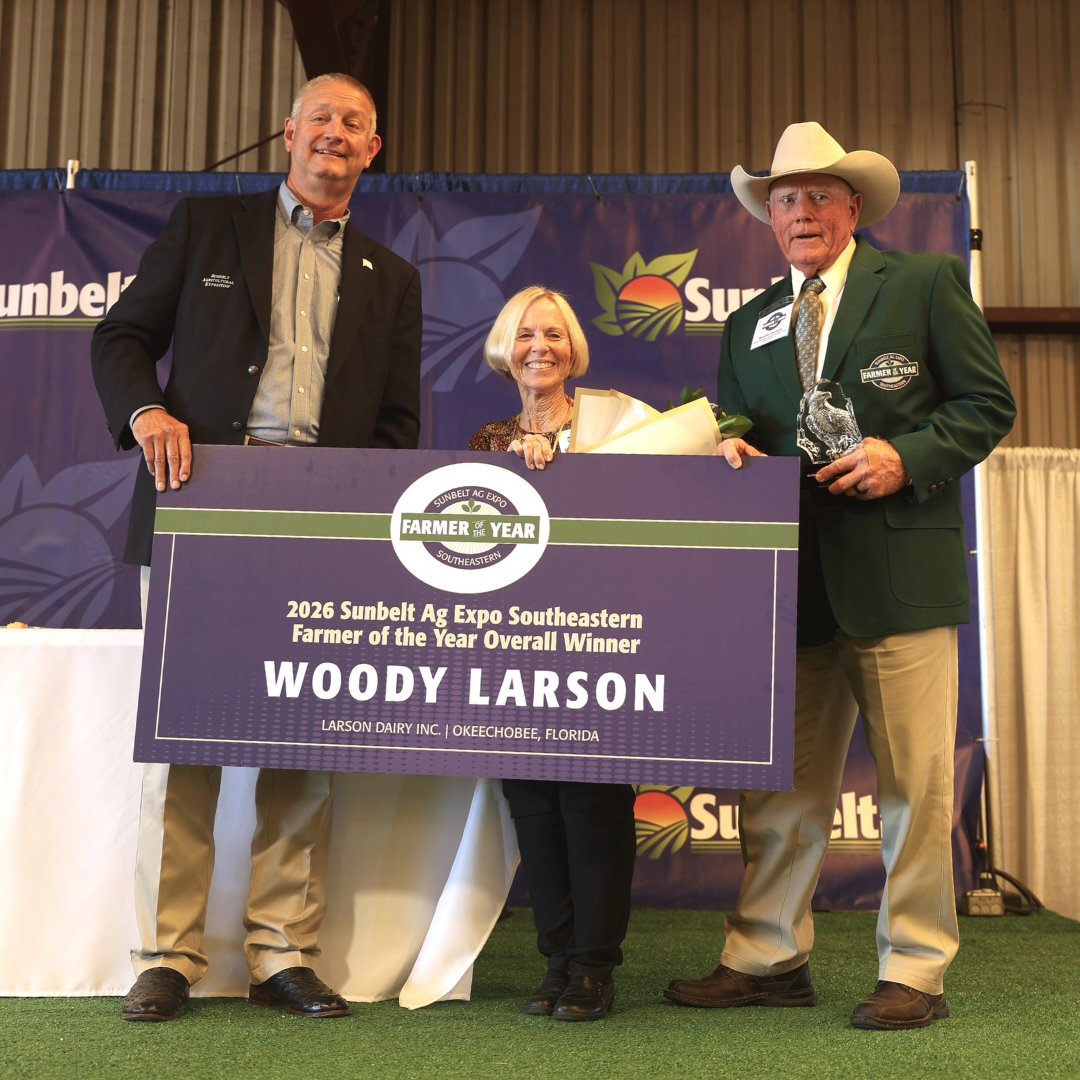
You may remember Mr. Woody Larson from an Industry News feature earlier this spring. Since then, he has earned an impressive honor, being named the 2026 Sunbelt Ag Expo Southeastern Farmer of the Year! Coming from a dairy farming family, Mr. Larson continues a proud agricultural legacy. Read the linked article to learn more about his journey and this well-deserved recognition.

October is National Farm to School Month, and Florida Commissioner of Agriculture Wilton Simpson is inviting students across the state to join the celebration. The Florida Department of Agriculture and Consumer Services is hosting its annual Florida Farm to School Essay Contest, along with the inaugural Florida Farm to School Art Contest. From now through November 16, 2026, high school students have the opportunity to compete for a $3,000...

Scammers are using a new form of deception to target farmers by posing as sellers of farm equipment online. In this scheme, farmers find equipment listed for sale, are instructed to send payment via wire transfer, and then never receive the equipment they purchased. Before buying farm equipment online, take precautions to verify the seller and protect yourself from fraud. Read more about this scam in the article linked below.
American Farm Bureau President Zippy Duvall has urged President Trump to temporarily suspend the federal diesel fuel tax on highways, a move that could help reduce diesel costs for farmers. Duvall said, "Diesel is essential for the American economy and for farmers. Everything on the farm, from running tractors, combines and irrigation equipment to transporting crops, livestock and inputs requires diesel. Farmers and ranchers cannot postpone...
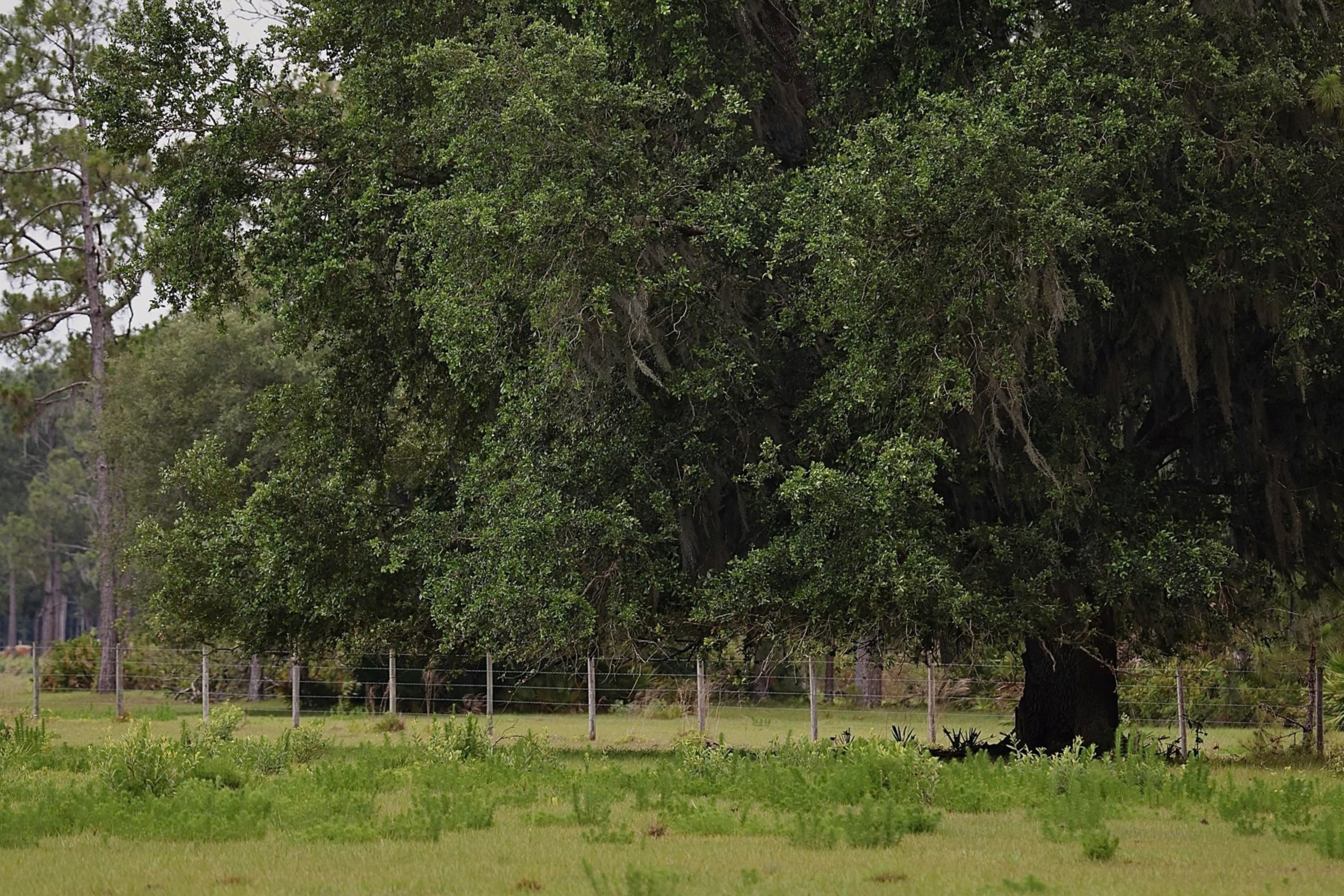
Although it may seem like we have had a normal, rainy summer here in Florida, most of the state is stull under drought conditions. For counties like Polk, Hardee, Hernando and Sarasota, this has been the worst dry spell in 15-20 years. This dry ground impacts the cattle industry in many different ways. See some of these explained in this article by Baxter Troutman with Central Florida Ag News.
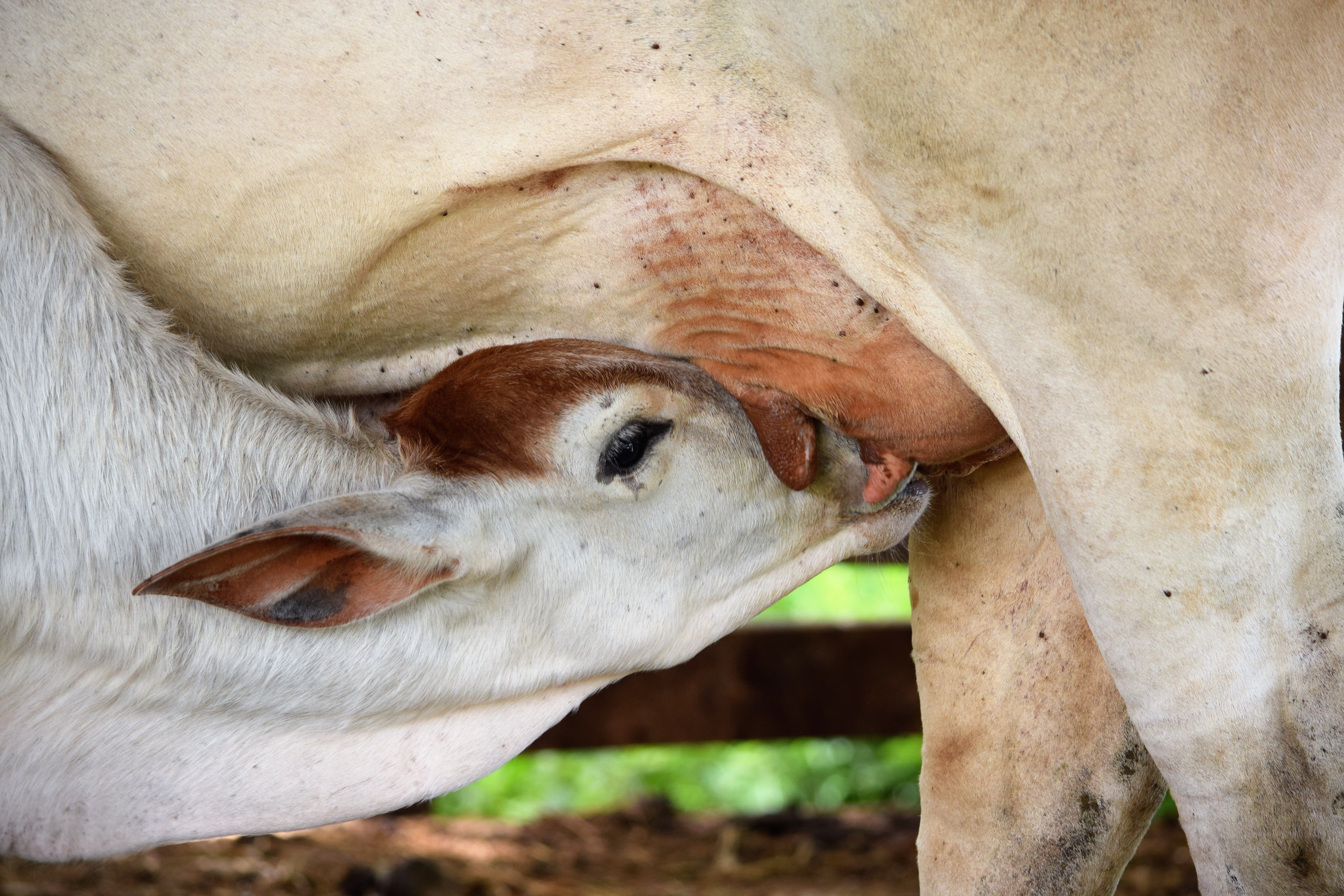
The FDA has issued an emergency use authorization for CLiK Extra wound spray, giving farmers, ranchers, veterinarians, and wildlife managers another weapon against the New World Screwworm. This spray attacks the fly at the larval stage to stop the parasite's life cycle before any damage is done acting as a preventative, not a treatment. This can be used on wounds associated with birth, surgery, dehorning, ear tagging, castration, tail docking,...
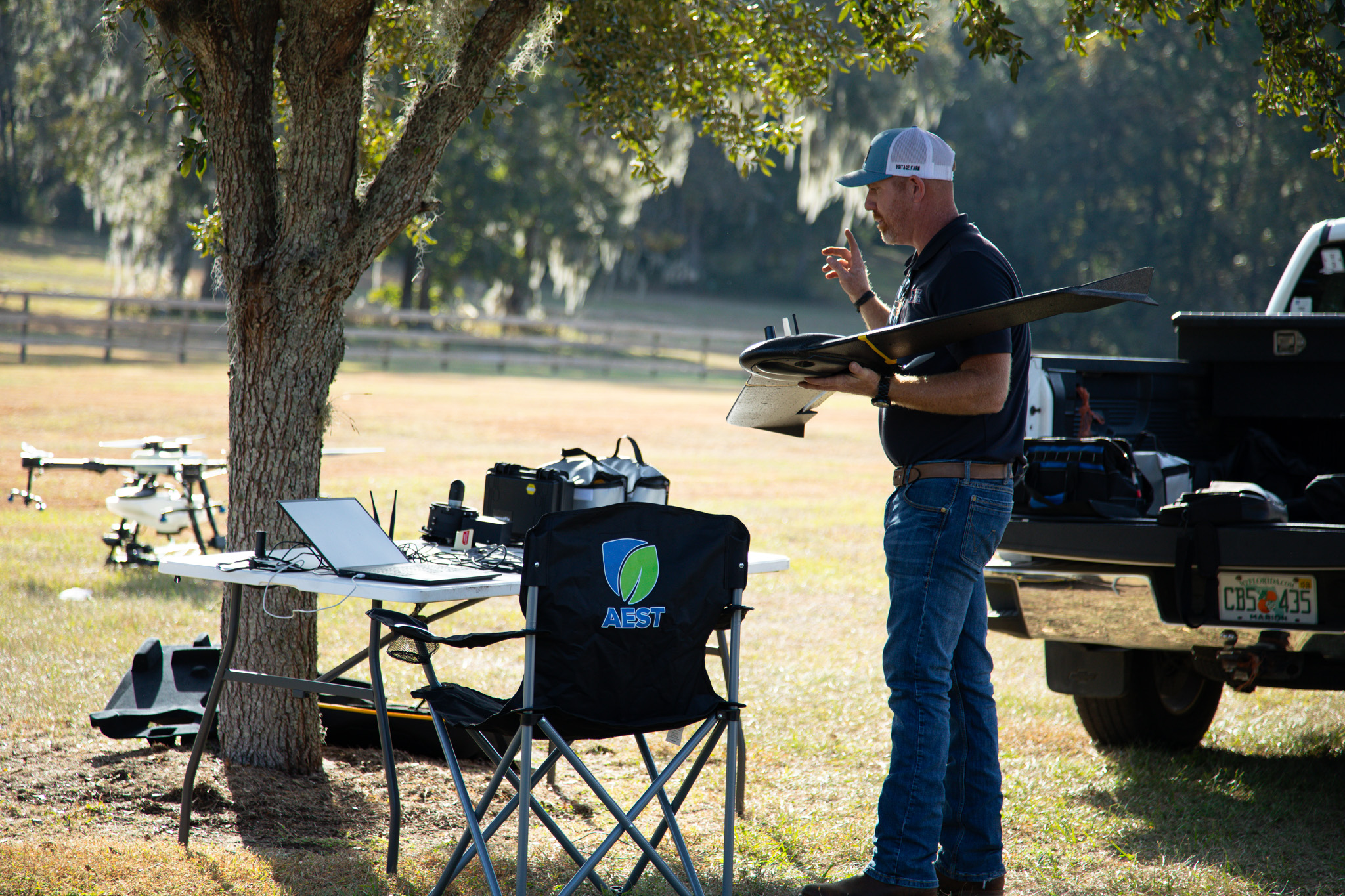
"Spray Drone Network" is a new show on AcresTV shot and produced by Mikaya and Tanner Spires of Centralia, Missouri. The first episode of this new series premiered on August 6th featuring the story of Kelli Kreider, a former ag teacher who runs Spot-On Drone Services LLC in northeast Indiana. New episodes stream every Thursday. An article from Morning Ag Clips says, "The Spires hope their “Spray Drone Network” episodes will give viewers an...
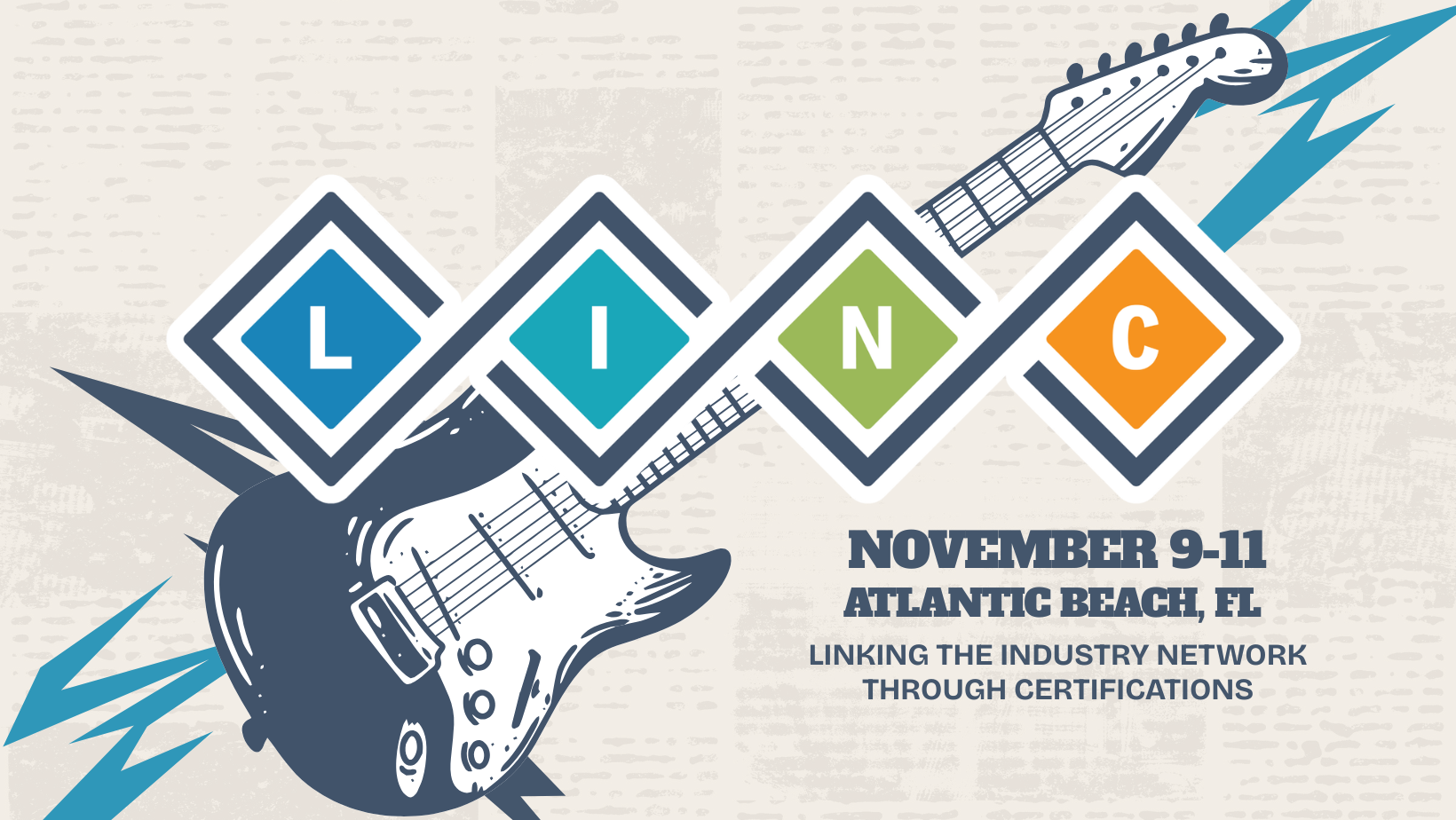
The LINC Conference is a unique professional development experience designed specifically for agriculture educators, brought to you by AEST, Florida Farm Bureau Federation and FNGLA. It brings together teachers and industry leaders to strengthen agricultural education programs and align classroom instruction with real-world workforce needs. At LINC, industry takes the stage and educators take a seat, and together, grow Florida’s...
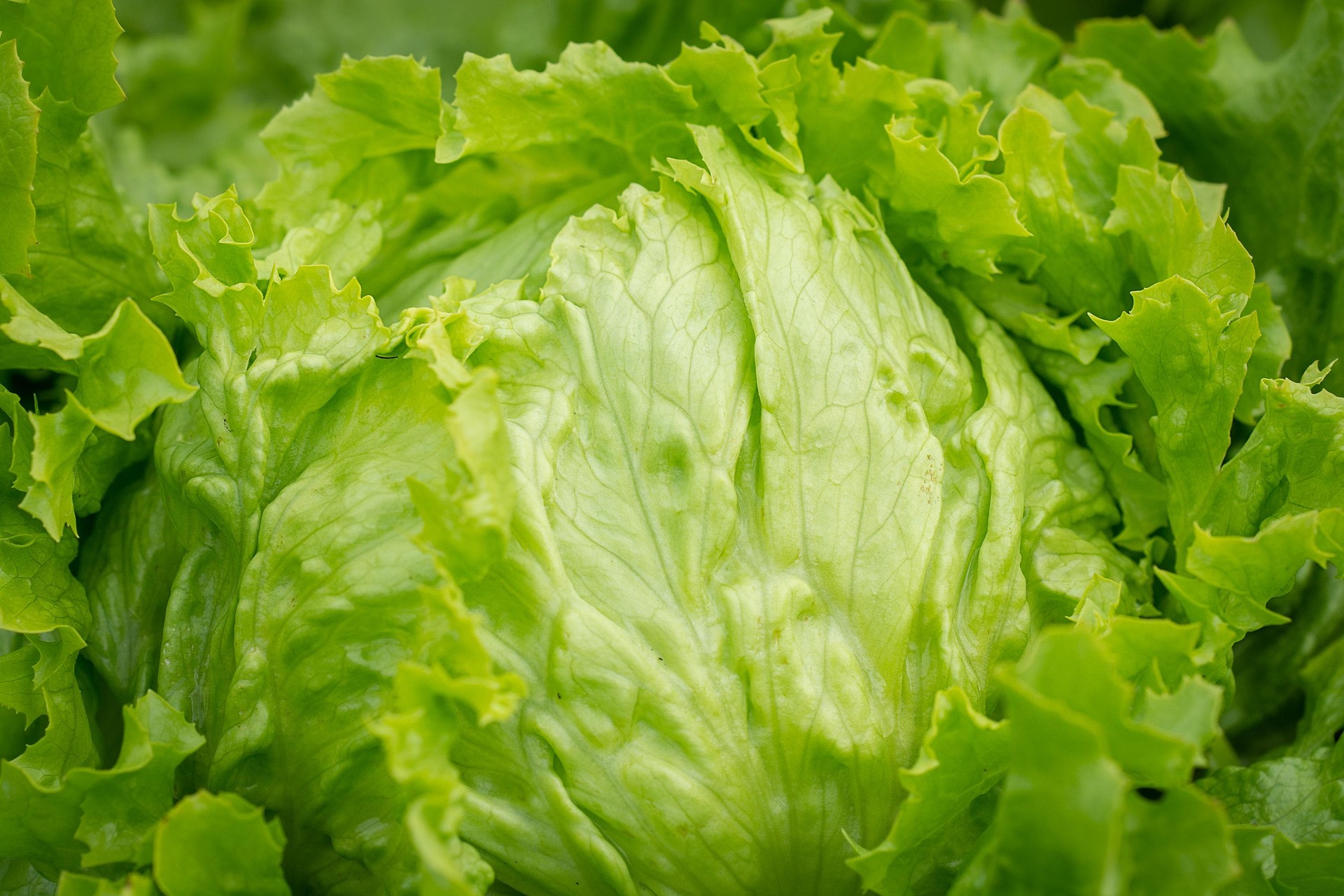
Lisa Cuchara, Professor of Biomedical Science, Quinnipiac University, states in an article posted by Morning Ag Clips, "If you do go for bagged and prewashed greens and other produce, give them a good rinse even when they say 'prewashed.'" She explains in this article that it is better to purchase whole heads of lettuce instead of pre-cut bags of lettuce. Every step of production, harvest, cut, wash, conveyer belt and packaging, gives a chance...
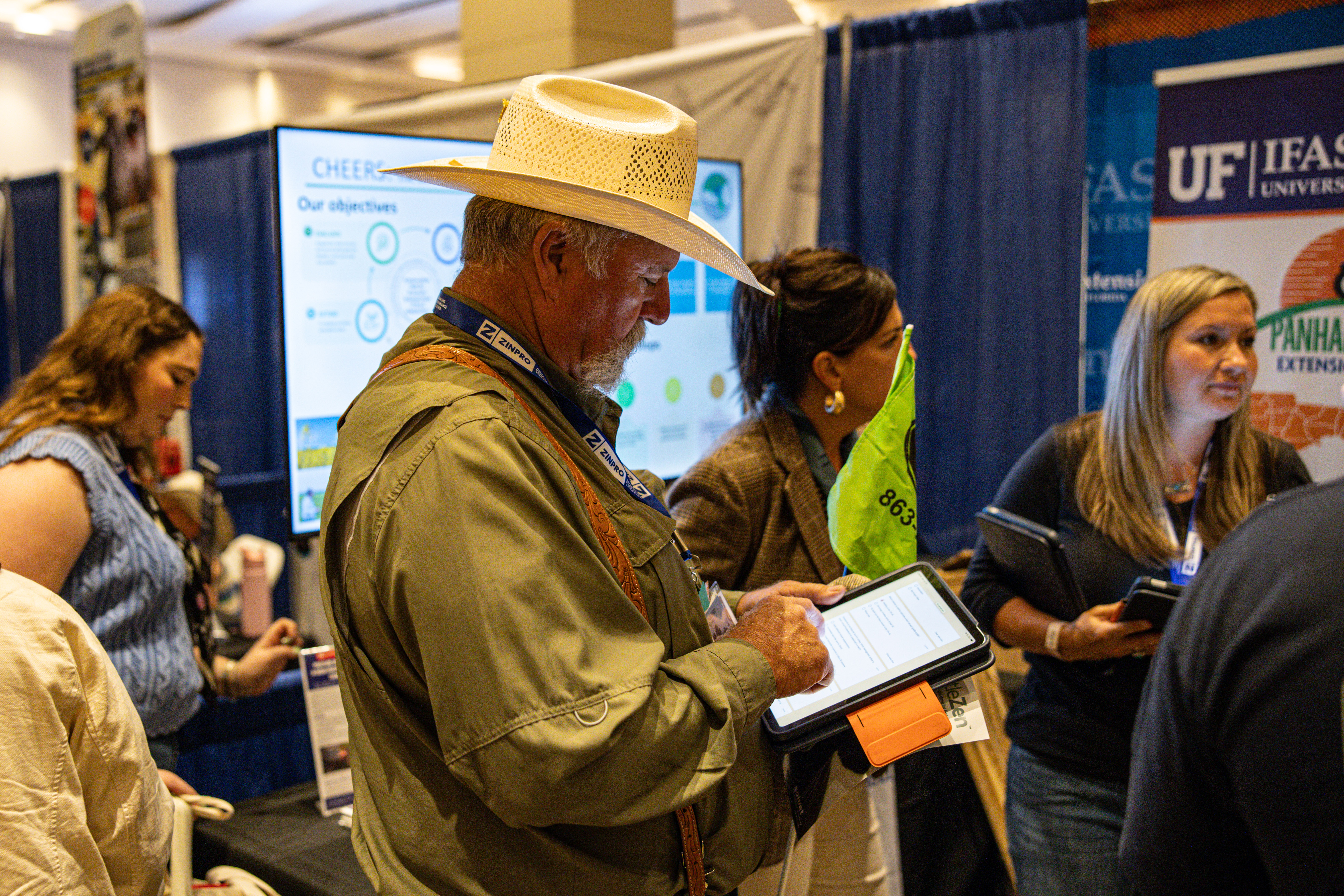
The Florida Cattlemen's Convention Allied Tradeshow has brought a challenge to participants for the past 5 years with the Top Rancher and Top Youth Rancher Challenges at the University of Florida/IFAS Forage and Livestock booth. Participants are invited to complete a 15-question quiz with questions on cattle production created by the Forage and Livestock Extension teams. Winners of this challenge receive customized belt buckles with the top 10...
